Proposed PI Contributor Program

Build interfaces. Develop drivers. Create workflows. Connect new technologies.

PI could invite qualified developers, manufacturers, integrators, and technical partners to expand the ecosystem through a controlled review, testing, approval, and distribution process.

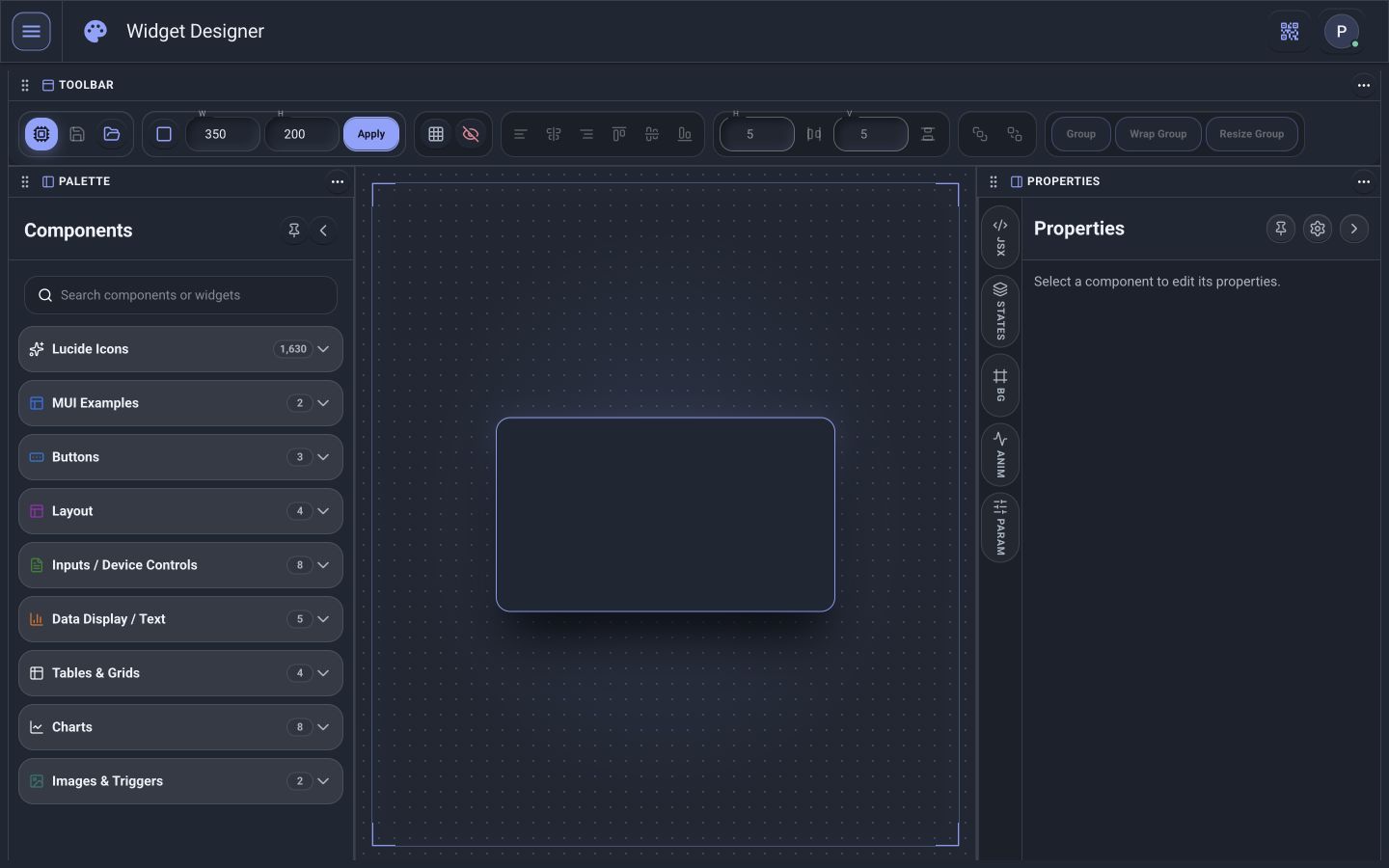
Real PI™ - Command Center Widget Designer for building reusable user interfaces

Choose a contribution path

Create reusable capabilities for real building operations.

UI contributors

Design how people use PI.

Build dashboards, control pages, diagnostic screens, reporting interfaces, analytics widgets, branded experiences, and mobile-friendly workflows.

  • Facilities and floor-manager views
  • Equipment-specific controls
  • Technician diagnostics
  • Specialized workflow screens
Driver contributors

Connect new systems and devices.

Develop integrations for building automation, lighting, HVAC, AV, shading, access, power, energy, IoT, networks, and manufacturer equipment.

  • REST APIs, BACnet, and Modbus
  • SSH, Telnet, and MQTT
  • Manufacturer-specific interfaces
  • Other supported protocols
Workflow contributors

Turn conditions into repeatable action.

Create controlled logic that combines triggers, decisions, permissions, notifications, actions, and reports.

  • Operational procedures
  • Fault escalation
  • Commissioning routines
  • Reporting and handoff
Full-stack contributors

Deliver a maintained solution.

Combine drivers, reusable UI, workflows, documentation, and test assets for a defined product or market.

  • End-to-end packages
  • Compatibility scope
  • Test documentation
  • Maintenance ownership
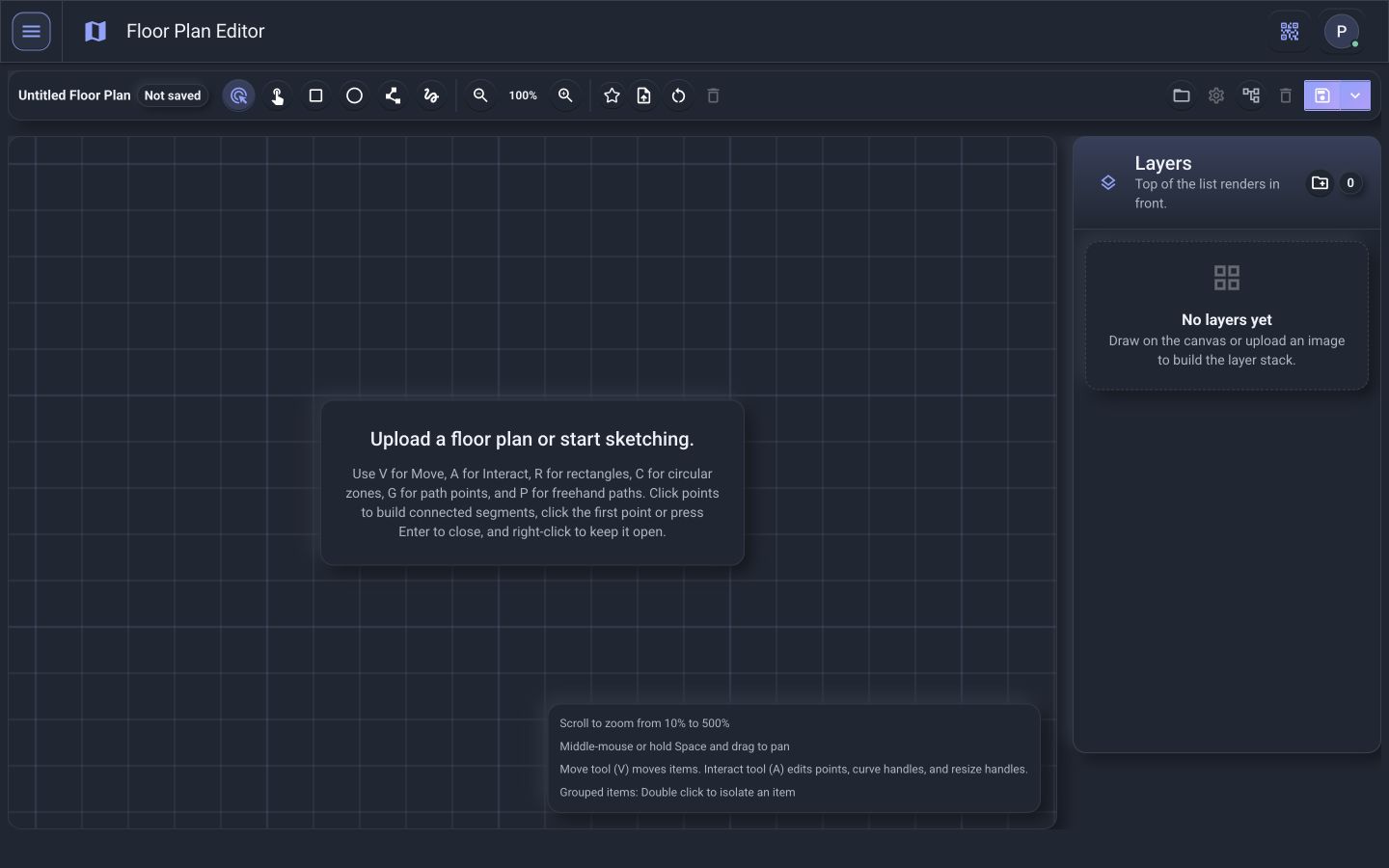
Real PI™ - Command Center Floor Plan Editor
Organize the experiencePlace reusable controls into visual building workflows.
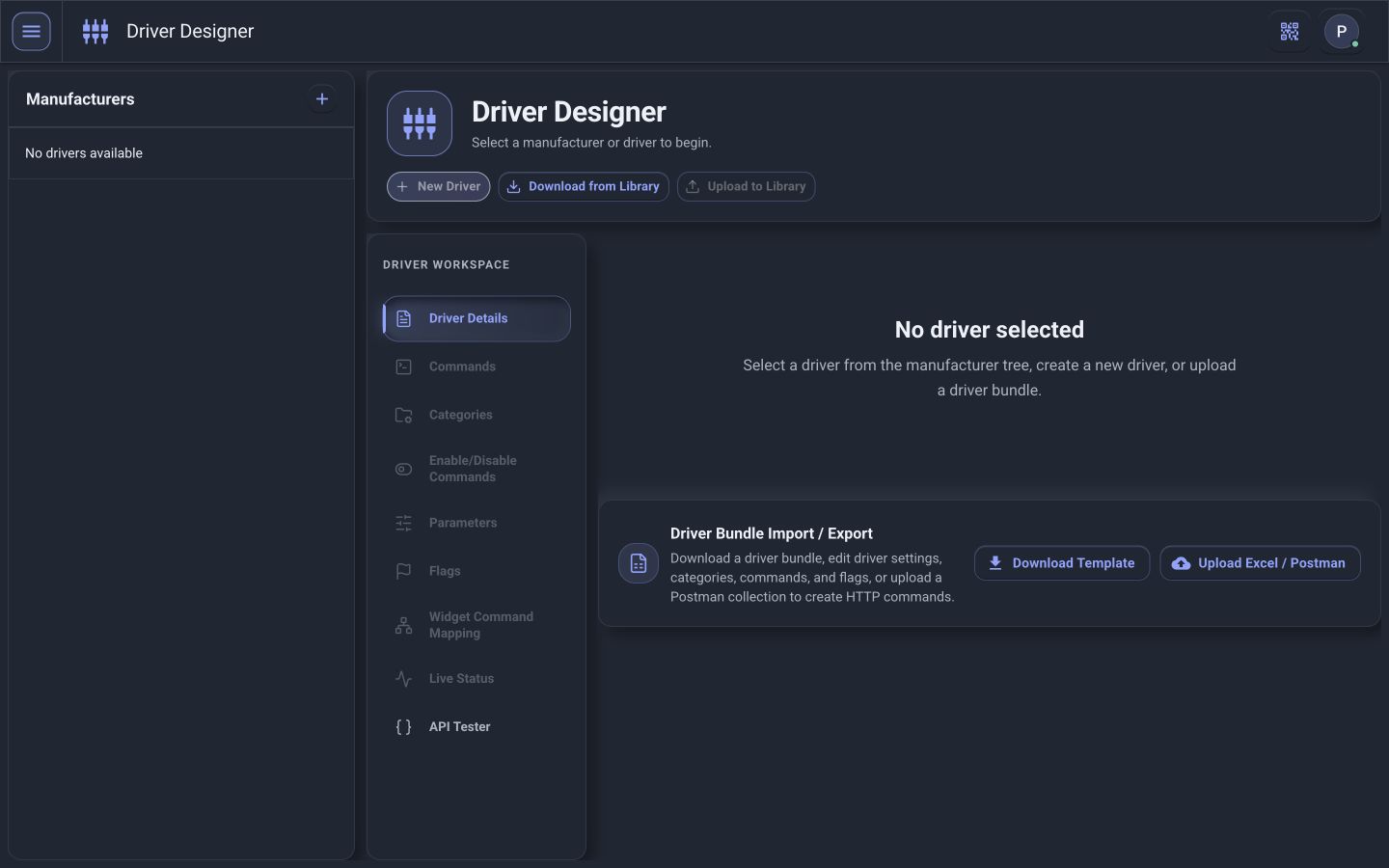
Real PI™ - Command Center Driver Designer
Connect the equipmentDefine commands, parameters, feedback, and live status.

Proposed contributor levels

A potential path from first submission to commercial partnership.

Level 1

Community Contributor

  • Submit UI components, workflows, or drivers
  • Access development standards
  • Submit packages for review
Level 2

Verified Contributor

  • Demonstrated development capability
  • Approved submissions
  • Expanded resources and designation
Level 3

Certified PI Developer

  • Meets defined PI development and testing standards
  • May qualify for commercial integrations
  • Could be considered for customer RFQs and paid projects
Level 4

OEM / Technology Partner

  • Manufacturer-supported development
  • Joint testing and certification
  • Long-term maintenance and licensing

Proposed approval process

From application to a reviewed PI library.

A submitted capability would follow defined technical, compatibility, and security reviews before approved distribution.

  1. 01

    Apply

    Apply to become a PI contributor.

  2. 02

    Select a path

    Choose UI, Driver, Workflow, or Full-Stack contribution.

  3. 03

    Receive standards

    Access PI development standards and the appropriate SDK or API documentation.

  4. 04

    Develop

    Build the capability within the PI testing environment.

  5. 05

    Submit

    Provide the component or driver and its documentation for technical review.

  6. 06

    Test

    Perform compatibility and security testing.

  7. 07

    Correct

    Resolve identified technical, compatibility, documentation, or security issues.

  8. 08

    Approve

    Receive approval or the appropriate contributor certification.

  9. 09

    Publish

    Release the approved capability through the PI component or driver library.

  10. 10

    Maintain

    Keep compatibility current as PI and manufacturer products evolve.

Review-ready submission

Document the capability as clearly as the code.

A complete package identifies ownership, supported products and versions, PI compatibility, licensing, dependencies, configuration, known limitations, test results, support contacts, and maintenance expectations.

  • Compatibility and dependency record
  • Configuration and user documentation
  • Test evidence and known limitations
  • Support and lifecycle ownership

Contributor marketplace / library

Make approved capabilities clear and discoverable.

An approved library could help customers and integrators identify available drivers, UI components, widgets, workflows, diagnostic packages, reporting modules, and manufacturer integrations. Approved packages could be downloaded and uploaded into compatible PI environments according to their licensing and certification scope.

  • Drivers
  • UI components
  • Widgets
  • Workflows
  • Diagnostics
  • Reports
  • Manufacturer integrations
Each listing identifies
Ownership
Developer and manufacturer
Coverage
Products and protocols
Compatibility
PI version and last tested date
Assurance
Certification level
Commercial
Licensing and support availability

Potential commercial opportunities

Turn specialized knowledge into reusable solutions.

  • Paid driver development
  • UI development projects
  • Workflow RFQs
  • OEM development contracts
  • Revenue-sharing arrangements
  • Licensed integrations
  • Support and maintenance agreements
  • PI-sponsored development requests

Why contribute

Expand what PI can support while keeping one standard for quality.

Developers

Access building-control and automation work without building an entire platform.

Integrators

Turn field knowledge and proven integrations into reusable products.

Manufacturers

Integrate products into PI without maintaining a separate software environment.

PI ecosystem

Expand supported systems while maintaining standards for security, usability, testing, and compatibility.

Become a PI Contributor

Help shape the proposed contributor program and expand what PI can support.

Discuss contributing