Custom development

Connect the equipment. Define the workflow. Build the right experience.

PI development engagements separate connectivity from operational logic so every request has a clear scope, test path, and expected outcome.
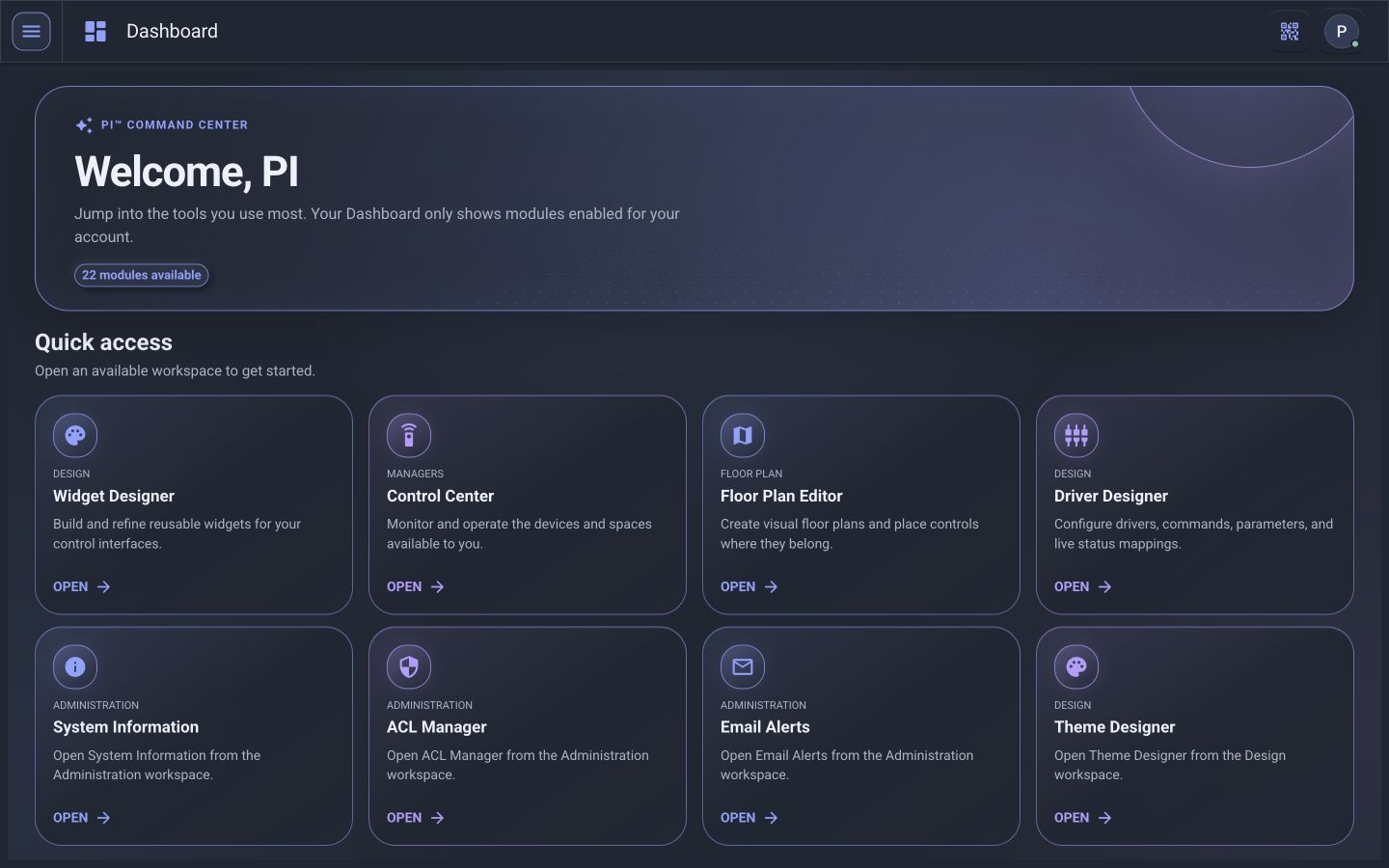
Real PI™ - Command Center Dashboard as the entry point to delivered workspaces

Three development paths

Connect the equipment, define the logic, and shape the experience.

Driver

Communication and capability

Defines connection, authentication, commands, feedback, discovery, error handling, health, and diagnostics for a device or system.

Review the driver RFQ →
Workflow

Trigger, logic, and action

Defines when PI acts, which information it evaluates, the decisions it makes, who it notifies, and how the result is reported.

Review the workflow RFQ →
User interface

Information and interaction

Defines the users, locations, controls, status, diagnostics, and responsive layouts required for a focused operational workspace.

Review interface development →

Driver Development Request for Quote

Start with a complete technical brief.

A strong RFQ identifies the target equipment, accessible interface, required behavior, security needs, and hardware available for validation.
  1. ManufacturerCompany responsible for the equipment.
  2. Product family & deviceExact models, versions, and variants.
  3. ProtocolIdentify BACnet, HTTP/REST, SSH, Telnet, or the requested interface. Scope new protocols such as Modbus or MQTT explicitly.
  4. DocumentationAPI, protocol, object, register, command, or SDK references.
  5. Communication methodTransport, addressing, local network interface, routing or BBMD requirements, and connection lifecycle.
  6. Commands & feedbackRequired control actions, value conversions, state, acknowledgements, and widget mappings.
  7. Discovery & diagnosticsIdentification, health, logging, faults, and test expectations.
  8. SecurityAuthentication, authorization, certificates, credentials, and access boundaries.
  9. Target-device test accessAvailability of the manufacturer’s product, a simulator, lab access, and technical support.
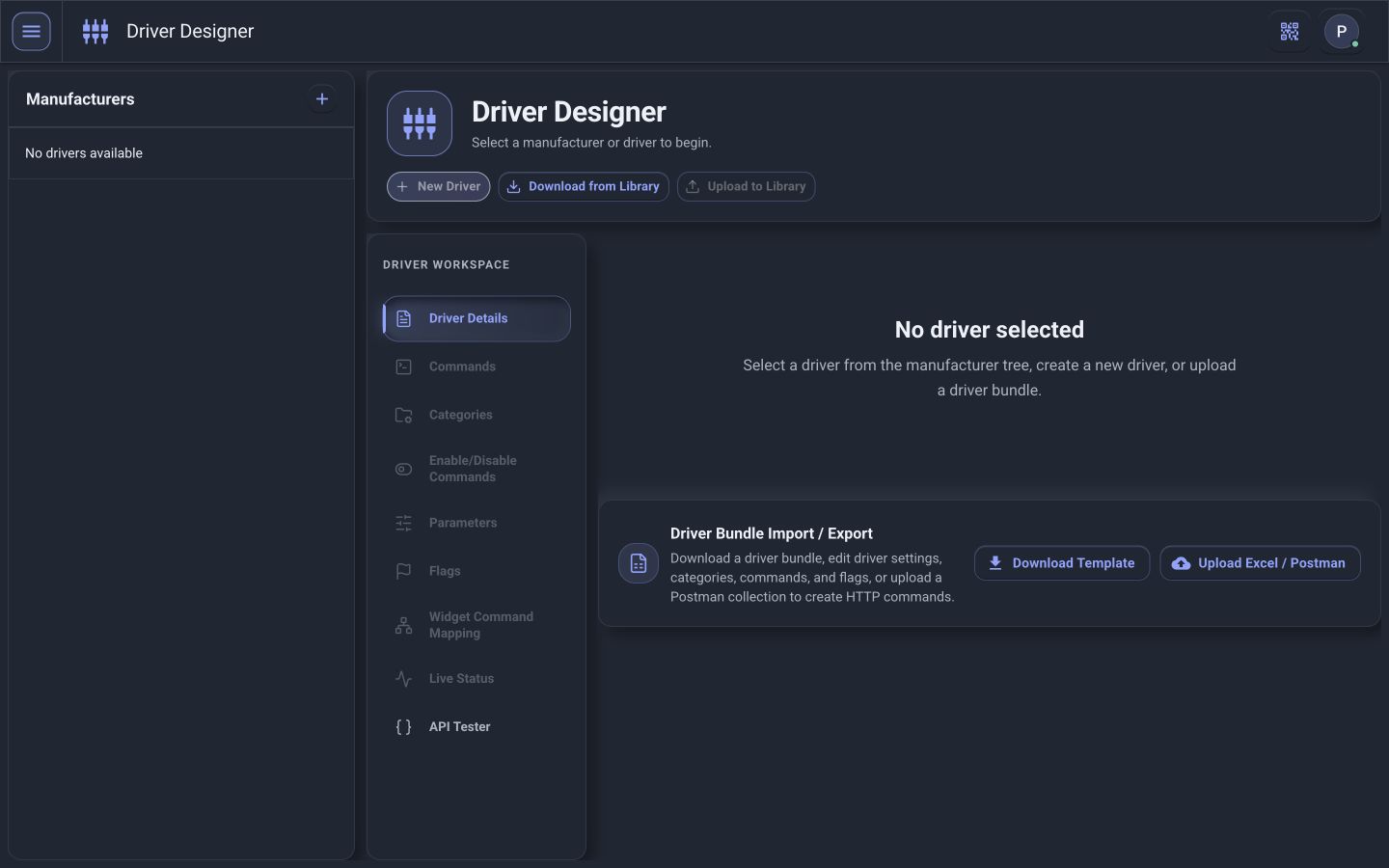
Real PI™ - Command Center Driver Designer interface

Driver levels

Match the development depth to the operational requirement.

Level 1

Basic Integration

  • Connect
  • Read status
  • Basic commands
Level 2

Operational Driver

  • Full control
  • Feedback
  • Discovery
  • Error handling
Level 3

Diagnostic Driver

  • Device health
  • Communication diagnostics
  • Fault analysis
  • Logging and automated tests
Level 4

OEM Driver

  • Manufacturer-supported integration
  • Certification and documentation
  • Long-term version support
  • Defined maintenance ownership

Workflow Development Request for Quote

Define the operational outcome before defining the automation.

A workflow brief captures the information PI needs, the decisions it should make, the actions it can take, and the people who must remain in control.

  1. 01Trigger
  2. 02Required information
  3. 03Decision logic
  4. 04Actions
  5. 05Notifications
  6. 06User permissions
  7. 07Reporting requirements
  8. 08External systems
  9. 09Frequency
  10. 10Expected outcome

Examples to scope

These are development requests, with implementation and acceptance criteria agreed for each engagement.

  • Daily equipment health checks
  • Offline-device identification
  • Commissioning and compliance reports
  • Design-document comparison
  • Fault escalation and service tickets
  • Scheduled diagnostics
  • Energy optimization
  • Building startup and shutdown
  • Automated commissioning
  • Preventive-maintenance routines

Build on existing tools

Start with a discovery and mapping review.

Check whether the current BACnet, Vantage, Hue, Crestron, or Roku workflows cover your equipment before commissioning custom development.

Connection

Prove the equipment path

Identify a reachable test device and confirm the network interface, authentication, command, and feedback requirements.

Workflow

Reuse tasks and schedules

Evaluate task sequences, calendar assignments, live-status triggers, and group schedule profiles before designing additional logic.

Interface

Verify the mapping

Document units, ranges, value conversion, command interactions, and stale or unavailable feedback for each operator control.

Review existing integration workflows →

Delivery & acceptance

Define completion before development begins.

Every engagement should identify the deliverables, target environment, test access, acceptance criteria, documentation, compatibility scope, ownership, and maintenance expectations.

Scope

Deliverables

List the driver, workflow, interface, documentation, and packaging included in the engagement.

Evidence

Acceptance criteria

Define the commands, feedback, states, errors, permissions, and user outcomes that must be demonstrated.

Environment

Test access

Identify target products, firmware, simulators, lab access, network requirements, and responsible technical contacts.

Lifecycle

Maintenance ownership

Agree how future PI, protocol, API, firmware, or product changes will be reviewed and supported.

Additional development paths

Build the interface and integration around the job.

Interface

Custom dashboards

Role-specific building, equipment, manufacturer, technician, management, and customer-facing views.

Systems

Custom integrations

Connect supported operational systems, organizational applications, APIs, and reporting destinations.

Automation

Workflow development

Translate triggers, decisions, actions, permissions, notifications, and reporting into repeatable operations.

OEM

Product solutions

Combine drivers, branded interfaces, diagnostics, licensing, documentation, and maintenance into a manufacturer-supported offer.
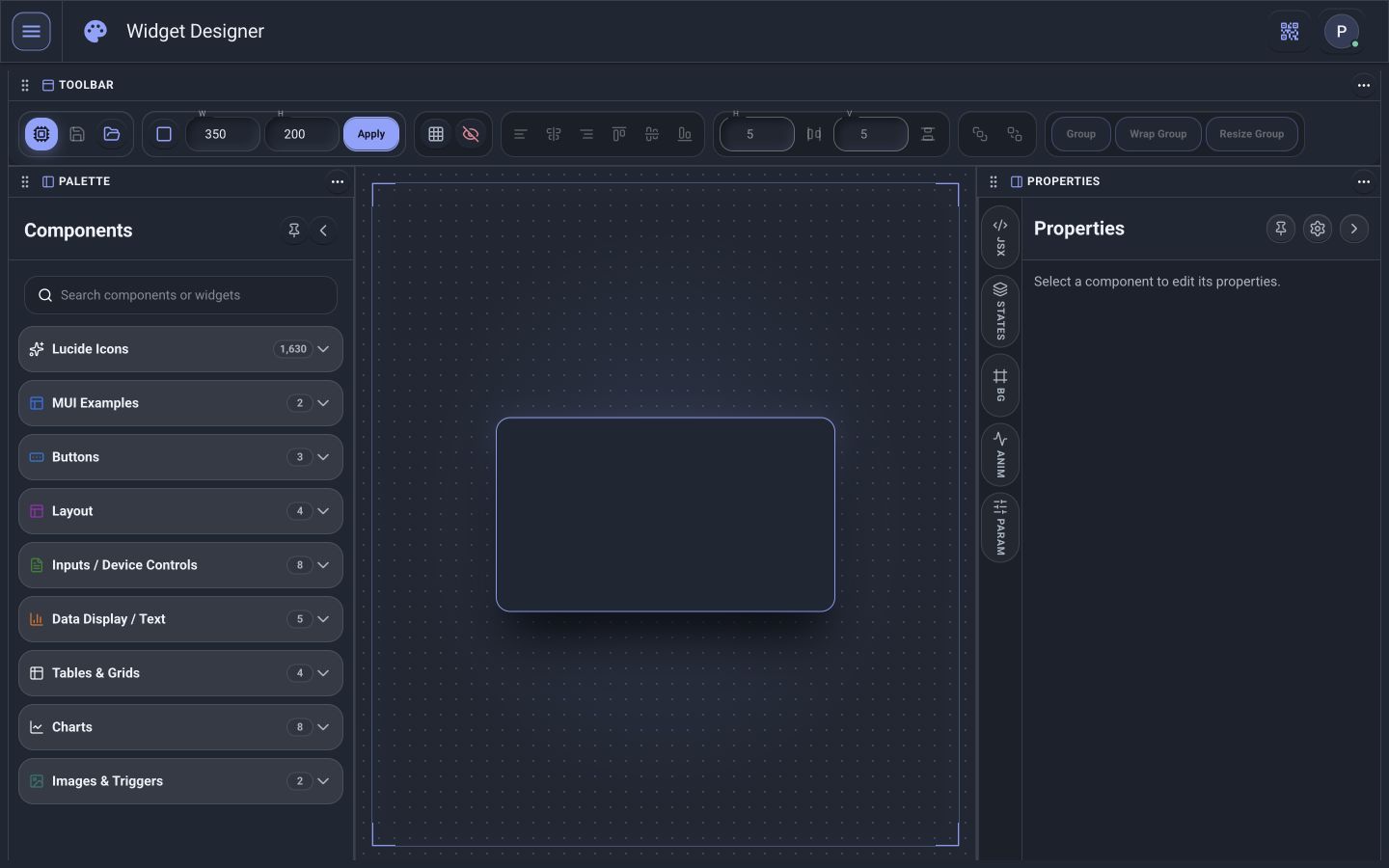
Real PI™ - Command Center Widget Designer
Widget developmentBuild reusable controls, readouts, and status components.
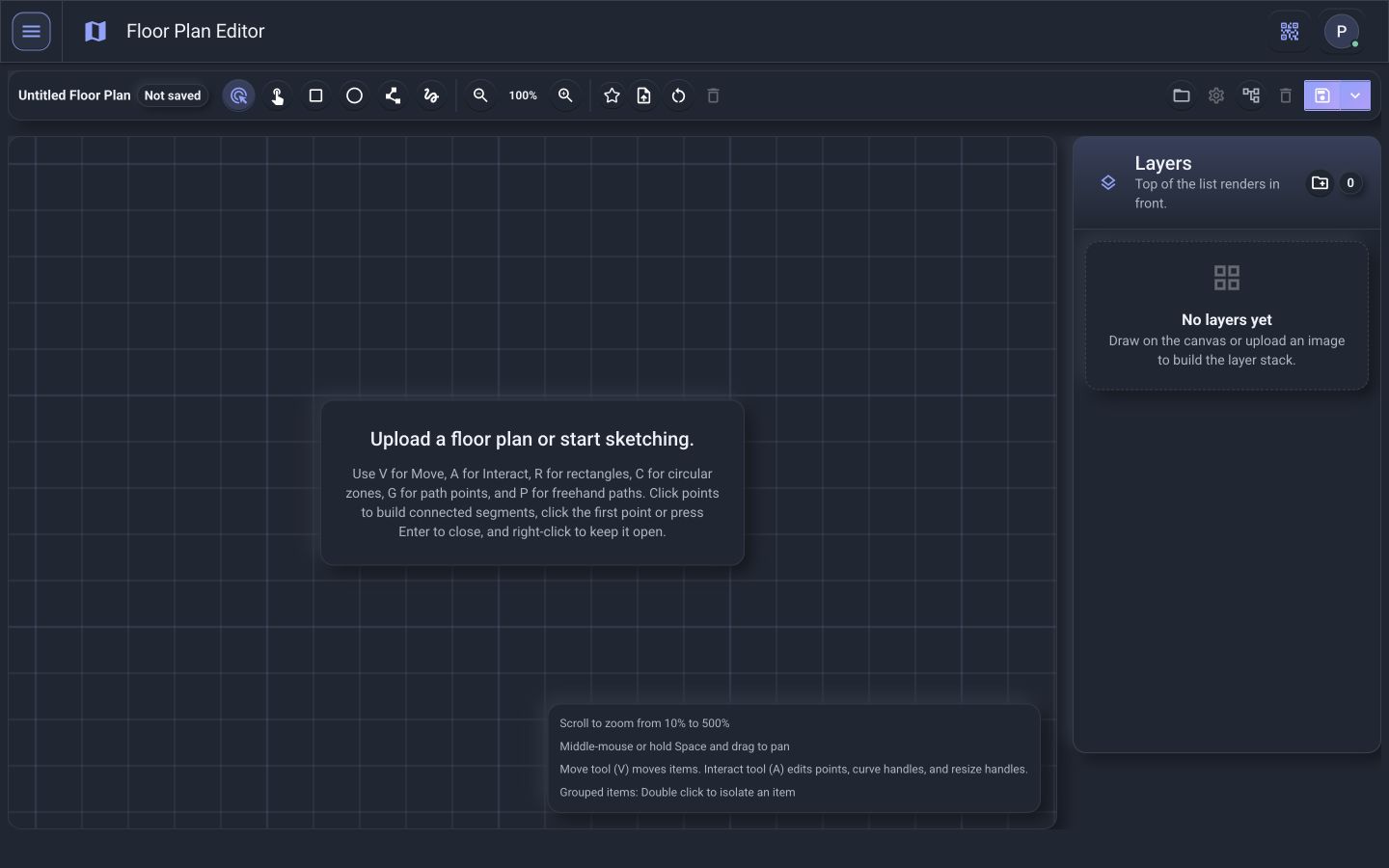
Real PI™ - Command Center Floor Plan Editor
Floor-plan workflowsPlace configured controls into the spaces people operate.

Start with the right brief

Tell us what PI needs to connect, decide, and deliver.

Start a development RFQ